
Breathe Cleaner Air in Your Home
Indoor Air Quality in Santa Clarita for homes with dust buildup, allergen concerns, or persistent odors
Stay Cool Air Conditioning & Heating, Inc addresses indoor air quality problems that affect comfort and health throughout your home. Airborne particles, humidity imbalances, and contaminants circulate through duct systems constantly, and without proper filtration or ventilation adjustments, these issues compound over time. Homes in Santa Clarita often face dust intrusion from regional conditions, making targeted air quality improvements particularly relevant for properties in this area.
Indoor air quality work involves evaluating your current HVAC system's filtration capacity, identifying sources of contamination, and installing or repairing equipment designed to remove particles, control humidity, and improve ventilation. This includes air purifiers, filtration upgrades, UV light systems, and humidity control devices that integrate with your existing heating and cooling infrastructure.
Schedule a home air quality assessment to evaluate filtration needs and ventilation performance.
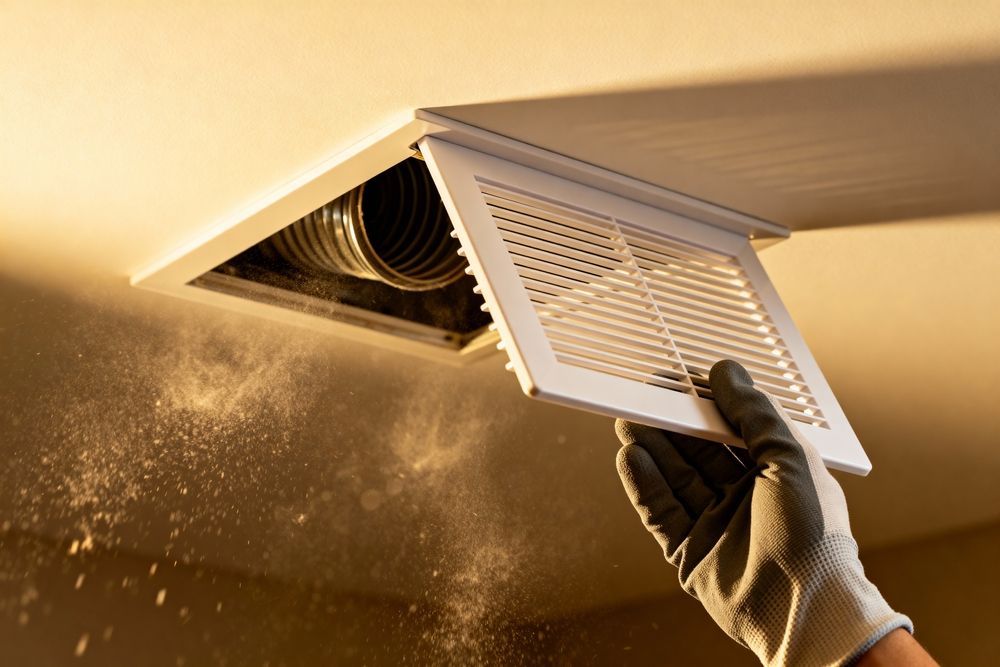
What Indoor Air Quality Services Actually Accomplish
Indoor air quality installations and repairs target specific contaminants based on what your system is recirculating. High-efficiency filters capture smaller particles than standard models, while UV systems address biological growth within ductwork and coil surfaces. Humidity controls prevent both excessive moisture that encourages mold and overly dry conditions that irritate respiratory passages.
After air quality equipment is installed and operating, you notice reduced dust accumulation on surfaces, fewer odors when the system runs, and less frequent need to clean vents and registers. Homes with allergy-prone occupants often see less airborne irritation during high pollen seasons, and systems with humidity control maintain more consistent comfort without the clammy feeling that accompanies poor moisture management.
Air quality work does not replace regular HVAC maintenance but complements it by addressing what standard heating and cooling equipment cannot filter or control. Effectiveness depends on correctly sizing equipment to your home's square footage and matching solutions to the specific contaminants present, whether that involves particulate matter, volatile organic compounds, or biological agents.
What Homeowners Usually Ask
Indoor air quality concerns vary based on home age, occupancy patterns, and regional conditions, and these questions address the most common considerations before starting improvements.
How do I know if my home needs air quality improvements?
Persistent dust despite regular cleaning, musty odors when the HVAC runs, or increased allergy symptoms indoors all indicate that your current system is not adequately filtering or ventilating air, and an evaluation can identify which specific issues are present.
What is the difference between air purifiers and better filters?
Filters trap particles as air passes through, while purifiers use additional methods like UV light or ionization to neutralize contaminants that filters cannot capture, such as bacteria, viruses, and odor-causing molecules, so the choice depends on whether you are addressing particulate matter or biological and chemical contaminants.
How often do air quality systems need maintenance?
UV bulbs typically require annual replacement to maintain effectiveness, while high-efficiency filters need changing every three to six months depending on household conditions, and humidity control devices require periodic inspection to verify drain lines remain clear and sensors function correctly.
Can air quality equipment work with any HVAC system?
Most air quality devices integrate with existing forced-air systems, though older furnaces or air handlers may require modifications to accommodate upgraded filtration or additional components, and compatibility depends on available space within ductwork and electrical capacity to power added equipment.
Why does indoor air quality matter more in Santa Clarita homes?
Dry, dusty conditions common in this region increase particulate infiltration through windows, doors, and ventilation pathways, and without adequate filtration, HVAC systems continuously recirculate that dust through living spaces, making targeted air quality solutions more beneficial than in naturally humid or coastal areas.
Stay Cool Air Conditioning & Heating, Inc provides indoor air quality installations, repairs, and maintenance that address specific contamination patterns in your home. Request a system evaluation to identify which air quality improvements will produce measurable results for your property.