
5.0 on Google Canyon Country (888) 960-6003
Furnace Installation in Canyon Country

Canyon Country Local

5.0 from 1 Google reviews

Furnace Installation in Canyon Country

Licensed, owner-operated installs sized right for your home and Canyon Country winters.

Call or text (888) 960-6003

Request an estimate

Tell us what you need
No obligation


By submitting this form you agree that we may contact you about your request and share your name and email address with partner companies for email marketing. We never share your mobile number or text message consent with third parties or affiliates for marketing or promotional purposes.

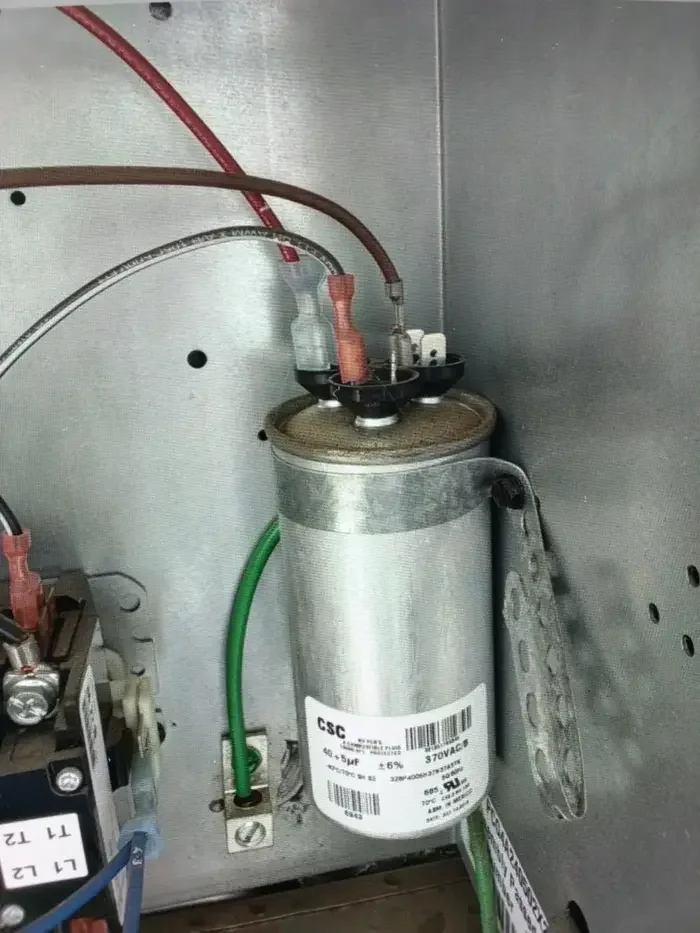
Run capacitor with wiring connections installed in an HVAC system.

Furnace Installation Canyon Country Homeowners Rely On

For furnace installation in Canyon Country, Stay Cool Air Conditioning and Heating has you covered, with David Medina handling the work himself. Canyon Country sits at elevation, and valley winters are colder than coastal SoCal by a real margin. A furnace sized and installed wrong won't keep up when temperatures drop into the 30s overnight, and a botched installation can cost more in utility bills over five years than the unit itself. Call (888) 960-6003 and get a straight answer about what your home actually needs.

What drives furnace installation cost is the size of the system, the age and condition of your existing ductwork, whether the job requires a permit (it does in LA County), and what fuel source the new unit runs on. Gas furnaces are the standard choice in Canyon Country where SoCalGas service is available, and they heat faster and run cheaper than electric resistance units in most homes here. Every job is different. Contact Stay Cool Air Conditioning and Heating for an accurate estimate. David is licensed under CA license #1036487 (C-20 Warm-Air Heating, Ventilating and Air-Conditioning), which means the installation meets code from day one, not just until the inspector shows up.

Furnace Installation: What to Expect

  • Full system sizing based on your home's square footage and insulation
  • Gas or electric furnace options matched to your existing utility setup
  • LA County permit pulled and filed on your behalf
  • Ductwork inspected and connected before the furnace is started
  • System tested for airflow, ignition, and safety before we leave
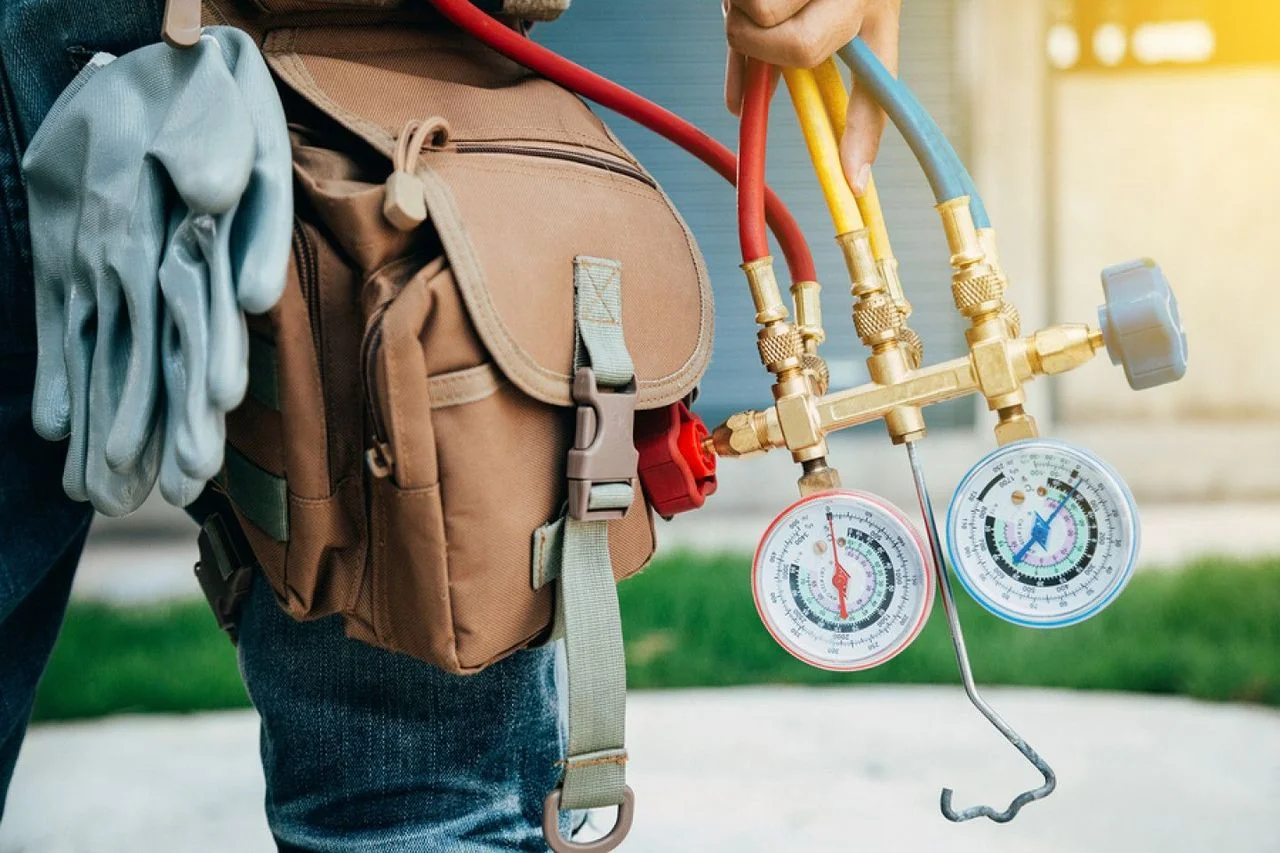
HVAC refrigerant manifold gauge set with colored hoses and brass fittings held by a technician in work attire and tool belt.

Gas vs. Electric

Which Furnace Type Is Right for Your Home?

The answer depends on your utility hookup, your budget, and how cold your Canyon Country winters actually get.

Gas Furnace

Most Canyon Country homes run natural gas, and a gas furnace is typically the more cost-effective choice long-term. They heat faster and handle the inland valley's cold snaps without working as hard as an electric alternative. SoCalGas service is widely available throughout the Santa Clarita Valley.
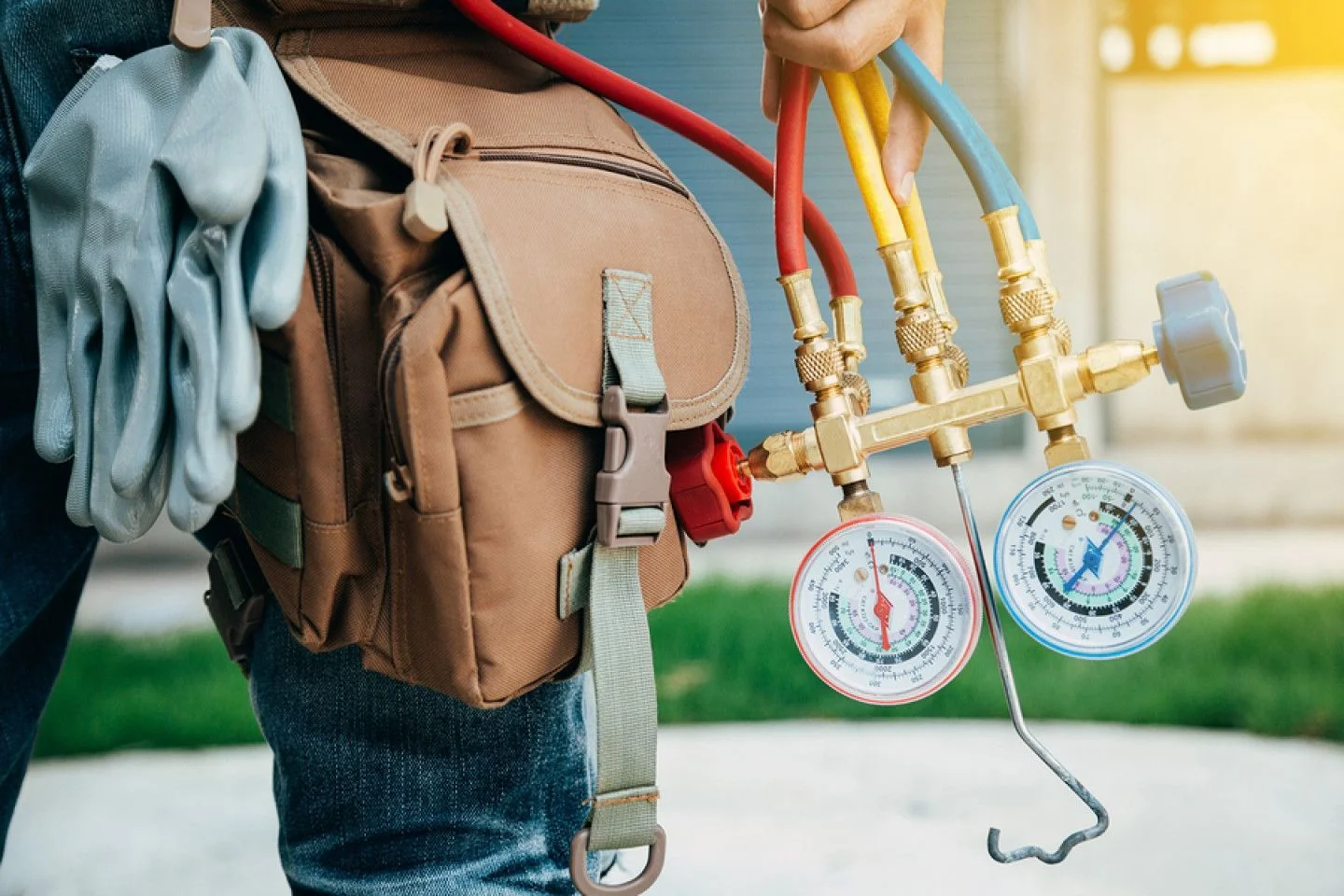
Refrigerant manifold gauge set with colored hoses and pressure gauges held by an HVAC technician wearing work gloves and a tool belt.

Electric Furnace

Electric furnaces make sense in homes without a gas line, in garage conversions, or as part of a mini split or heat pump setup. Installation is simpler, but operating costs are higher when you're heating for weeks at a stretch during a cold December.

Heat Pump Systems

A heat pump handles both heating and cooling from one unit. It's a strong option if you're replacing an aging AC and furnace at the same time. Canyon Country's mild shoulder seasons mean a heat pump runs efficiently for most of the year. See our heat pump repair page for more on how these systems work.

How It Works

What Happens on Installation Day

  1. Sizing and Permit

    David calculates the right system size for your home and pulls the LA County permit before the install date. Skipping the permit isn't an option on a job this significant.

  2. Removal and Installation

    The old unit comes out, the new furnace goes in, and the duct connections are inspected and sealed. Proper duct sealing alone can cut heating costs by 20-30% on older Canyon Country homes.

  3. Testing and Sign-Off

    David tests ignition, airflow, thermostat response, and all safety controls before calling the job done. You get a system that runs correctly on day one, not one that needs a service call two weeks later.

Sizing Matters More Than Brand
Here's something most homeowners don't hear until after a bad install: an oversized furnace is almost as bad as an undersized one. A unit that's too big short-cycles. It heats fast, shuts off, fires again, shuts off. That cycling wears the heat exchanger, wastes gas, and leaves you with uneven temperatures room to room. Canyon Country homes, especially the older stock in the hills above Soledad Canyon Road, often have ductwork that was sized for the original unit. A new, larger furnace pumping through undersized ducts creates pressure problems. David sizes every install to the structure, not to the box that happens to be on the truck. And if the indoor air quality in your home has always felt off, a proper furnace install with correctly balanced ductwork is often the fix nobody told you about.
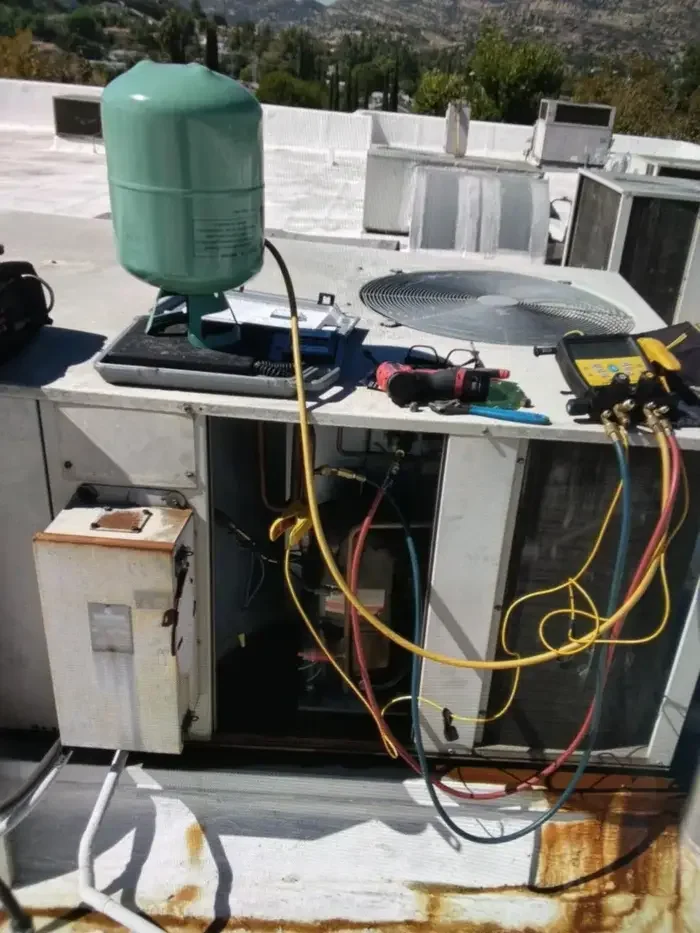
HVAC system installation and service work on a rooftop, showing pressure tank, condensing unit, electrical connections, and associated equipment.

Why Canyon Country Homeowners Call David

One owner. One license. One call.

CA Licensed, #1036487
C-20 Warm-Air Heating, Ventilating and Air-Conditioning
Owner on every job
David Medina handles the installation, not a subcontractor
25+ years of HVAC experience
Family-run since 2018, trained long before that
5-star rated on Google
1 verified review. Read what Denise Soto said about a 4-hour install during a heat wave

Furnace Installation: Straight Answers

How long does a furnace installation take?
Most residential furnace installs in Canyon Country take four to six hours from removal of the old unit to final testing. Homes with older ductwork that needs sealing or modification may run longer. Denise Soto noted David completed her combined AC and furnace install in four hours during a heat wave, which is about as fast as the work can be done correctly.
Should a 25-year-old furnace be replaced?
Yes, in most cases. Furnaces have an average lifespan of 15 to 20 years. At 25 years, the heat exchanger is a real concern. A cracked heat exchanger can let combustion gases into your living space, and no repair makes an old exchanger new again. The honest answer is that spending money on a 25-year-old furnace is usually spending money twice.
Is a 40-year-old furnace safe?
Unlikely. A 40-year-old furnace should be inspected by a licensed technician immediately. Heat exchanger integrity at that age is a serious safety question, not a maintenance item. If you're in that situation, call (888) 960-6003 before running the system through another Canyon Country winter.
Can I legally install my own furnace in California?
No, not in a way that holds up. California requires a licensed contractor for furnace installation, and LA County requires a permit. An unpermitted install creates problems when you sell the home and voids most manufacturer warranties. The license isn't red tape; it's what guarantees the work meets code.
What's the difference between a gas and electric furnace for Canyon Country?
Gas furnaces heat faster and run at lower operating cost in a home with natural gas service, which covers most of the Santa Clarita Valley. Electric furnaces cost less to install but more to operate for sustained winter heating. For Canyon Country homes that actually see extended cold stretches, gas is usually the practical choice unless you're also moving toward a full heat pump repair and replacement strategy.
How does furnace sizing affect my energy bills?
An oversized furnace short-cycles, meaning it fires, overheats the space quickly, shuts off, and repeats. That wastes fuel and stresses the system. An undersized unit runs constantly and still falls short on cold nights. Correct sizing is calculated from your home's square footage, insulation level, window area, and ceiling height, not from whatever the previous furnace was. Getting that calculation right before the install is the most cost-effective thing you can do. See our furnace maintenance page for how to keep a correctly sized system running efficiently after the install.
What should I expect during my furnace installation appointment?
David arrives, removes the old unit, inspects the flue and existing ductwork, installs the new furnace, connects gas and electrical, seals the duct connection, and runs a full test sequence before he leaves. You'll know the system is working, the thermostat is set, and the permit is filed. No crew of strangers, no handoff to a subcontractor.
What is the difference between a gas and electric furnace?
Gas furnaces heat faster and run at lower operating cost in a home with natural gas service, which covers most of the Santa Clarita Valley. Electric furnaces cost less to install but more to operate for sustained winter heating. For Canyon Country homes that see extended cold stretches, gas is usually the practical choice unless you're moving toward a full heat pump setup.

Ready to Schedule Your Furnace Installation?

Get a straight answer on what your home needs.

Related

Next step

Tell us about the job

Your name, your number and what needs doing. A person from Stay Cool Air Conditioning and Heating gets back to you.

Rather talk now?(888) 960-6003

★★★★★

The owner David came over and installed the air conditioning and furnace in record time, 4 hours. This was during a heat wave. He and his crew were professional and courteous. They are a great family run business 😊.
Denise S., Google review

No obligation


By submitting this form you agree that we may contact you about your request and share your name and email address with partner companies for email marketing. We never share your mobile number or text message consent with third parties or affiliates for marketing or promotional purposes.